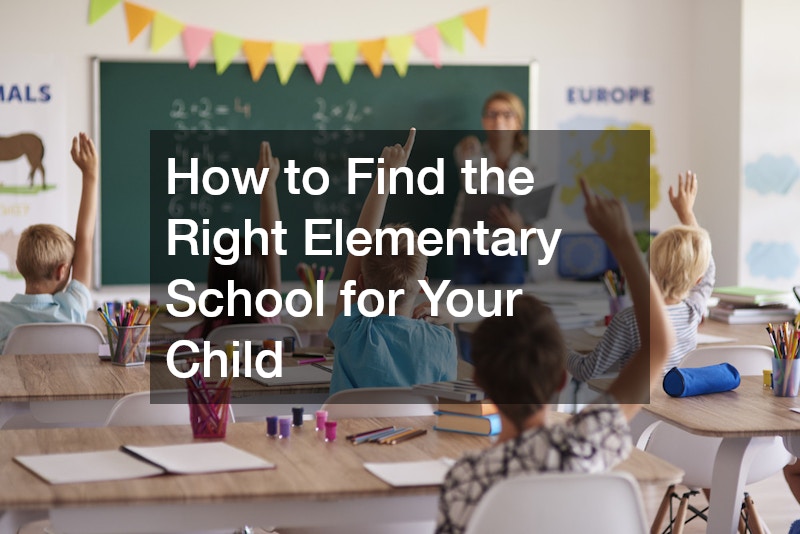
Choosing the right elementary school for your child is a significant decision that can influence their educational journey and personal development. Here, we guide you through critical considerations to help you make an informed choice.
Understand Your Educational Priorities
First and foremost, it’s important to define what educational priorities matter most to you and your child. Are you keen on a rigorous academic environment, or are you looking for a school with a strong focus on the arts or sports? Recognizing these aspects will provide a clearer path as you evaluate different elementary schools. By understanding your priorities, you’ll be better positioned to ask the right questions and assess if a school aligns with your child’s needs.
Consider what learning style suits your child best and whether they will thrive in a traditional, structured setting or a more flexible, student-centered environment. Some children may benefit from a smaller class size, which can offer more personalized attention, while others might thrive in a larger, more diverse environment. Understand that different schools offer different teaching methodologies — Montessori, Reggio Emilia, or Waldorf, to name a few. This can shape how your child learns and interacts with their peers. Acknowledging these factors at the early stages will ease the process of narrowing down your school choices.
Another aspect to consider is the school’s culture and values. This encapsulates not only the academic curriculum but also the extracurricular activities offered. A school that encourages community involvement and a strong partnership with parents can foster a supportive and engaging environment. You might want to look for schools that emphasize character education, teaching students important life skills alongside academic knowledge. Integrating such priorities ensures your child receives a holistic education. As you proceed, this awareness serves as a touchstone for every decision you make regarding elementary schools.
Research School Performance and Reputation
Another vital step in selecting the right elementary school is obtaining reliable information on school performance and reputation. This often involves reviewing scores from standardized tests, which can offer a glimpse into the school’s academic effectiveness. Yet, these scores only tell part of the story and should be considered alongside other elements of student success. Additionally, school ratings, often available from local or national educational sites, can shed light on how schools are perceived in terms of teaching quality and student satisfaction.
Beyond quantitative measures, explore testimonials from parents and students which can provide invaluable insights into the school’s environment and ethos. Consider reaching out to the school community through forums or parent-teacher associations to garner honest feedback. Visiting the school’s website or social media pages might also reveal awards and recognitions the institution has garnered over the years. Celebrated schools often have well-documented achievements in various areas, which can be indicative of a diverse and enriching learning setting.
When assessing elementary schools, the importance of a positive reputation cannot be overstated. Pay attention to the school’s leadership and faculty stability, as frequent turnovers can disrupt the learning experience. Often, schools with strong networks and community involvement create a nurturing environment conducive to learning. Remember, a positive school reputation usually results from a blend of quality teaching, effective administration, and happy, thriving students. All these factors contribute to making an elementary school desirable for your child’s developmental years.
Visit and Tour Schools
There’s no substitute for a school visit when it comes to making your final decision. Walking the halls, observing classroom dynamics, and interacting with teachers and staff can offer valuable perspectives that brochures and websites cannot. Note the synergy between students and teachers—their interactions can often reveal the school’s culture and educational environment. During the visit, pay attention to the physical environment of the school. A well-maintained facility often correlates with a school that values student welfare and academic excellence.
Touring elementary schools provides a firsthand look at classroom sizes and the variety of resources available to students. Inquire about the technologies used in classrooms and how they integrate with traditional teaching methods. Pay close attention to security measures in place, such as campus safety protocols and entry points. Such measures are crucial for peace of mind, knowing your child is learning in a safe environment. The school’s surroundings should also be safe and conducive to learning.
Finally, when visiting schools, make sure to engage with school administrators and ask pertinent questions. This is the time to clarify information regarding extracurricular offerings, special programs available, and student support services. Align these insights with what you identified as priorities. After visiting the shortlist of elementary schools, you can better compare and contrast based on firsthand experiences and make an informed decision. Remember, the goal is to find a school that meets your child’s academic needs and supports their overall development.
Ultimately, choosing the right elementary school involves a thorough understanding of your child’s needs coupled with diligent research and insightful visits. By assessing educational priorities, school performance, and the learning environment firsthand, you can confidently decide where your child will thrive. This decision will lay a foundation for your child’s future educational endeavors.